Society
Hundreds of harmless-looking apps hide AI-generated fake nudes, according to WIRED
A network of more than 400 apps and websites posed as pet portrait services or language classes. Some users saw something else: a tool for creating fake sexual images of real people.
The essentials
- Claimed by one partyWIRED describes a network of more than 400 connected apps and websites that look like ordinary services but hide a generator of fake sexual images (WIRED).
- Claimed by one partyThe network's 27 apps still on Google Play in September had more than 350,000 downloads combined, according to researcher Paul Bouchaud (WIRED).
- Claimed by one partyThe researchers found the network by tracking thousands of Facebook and Instagram ads that linked to the Apple and Google app stores (WIRED).
- Claimed by one partyAccording to WIRED, Chinese developers and a company registered in Hong Kong, KeLing Technology Limited, are reportedly behind it. The company did not respond to WIRED's questions (WIRED).
Why it matters
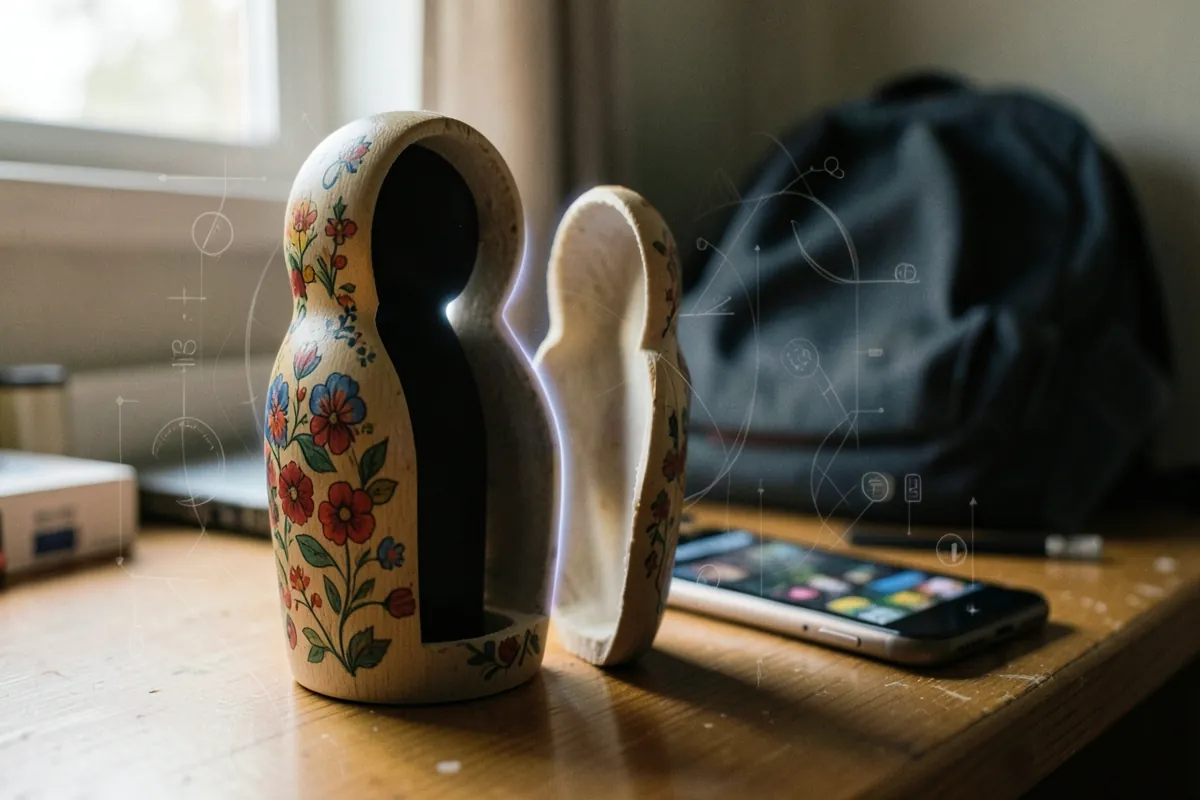
If confirmed, these apps did not slip through because of a one-off oversight. It would be an organized operation that passed Apple and Google's review and took payments through their systems, even though all three platforms say they ban this content. This suggests that current checks fail to catch apps that change their face depending on who opens them.
An app being in an official store and looking harmless doesn't guarantee what it does: these apps passed Apple and Google's review, and many were rated as suitable for all ages.
The details
According to WIRED, when you download one of these apps, it sends the server data such as where the user came from or their language. The server decides whether to show the harmless version or the explicit one. One of the signals appears to be arriving from a Facebook or Instagram ad (WIRED). Paul Bouchaud, of the nonprofit AI Forensics, took the code apart. Maël Le Touz, of the security company Infoblox, found almost 500 linked websites (WIRED).
The apps started appearing in late 2025 and surged in spring 2026. Some weeks saw around 30 new ones, according to Bouchaud (WIRED). One of the most popular, DiffAI, had more than 100,000 downloads on Google Play. It disappeared from the store shortly before WIRED contacted Google, which did not respond (WIRED).
What we don't know
- How Apple and Meta have responded, and how many of these apps are still available.
- Whether KeLing Technology Limited is really behind it: WIRED infers this from its websites, without confirmation from the company.
- How the regulators' investigations mentioned by WIRED are progressing.
Background
For months, WIRED has been reporting on Facebook and Instagram ads featuring fake sexual images made with AI. According to the outlet, hundreds of them included child sexual abuse material, reached tens of thousands of people and have prompted investigations by regulators in several countries (WIRED).
Sources
Was this story useful? Yes Not really